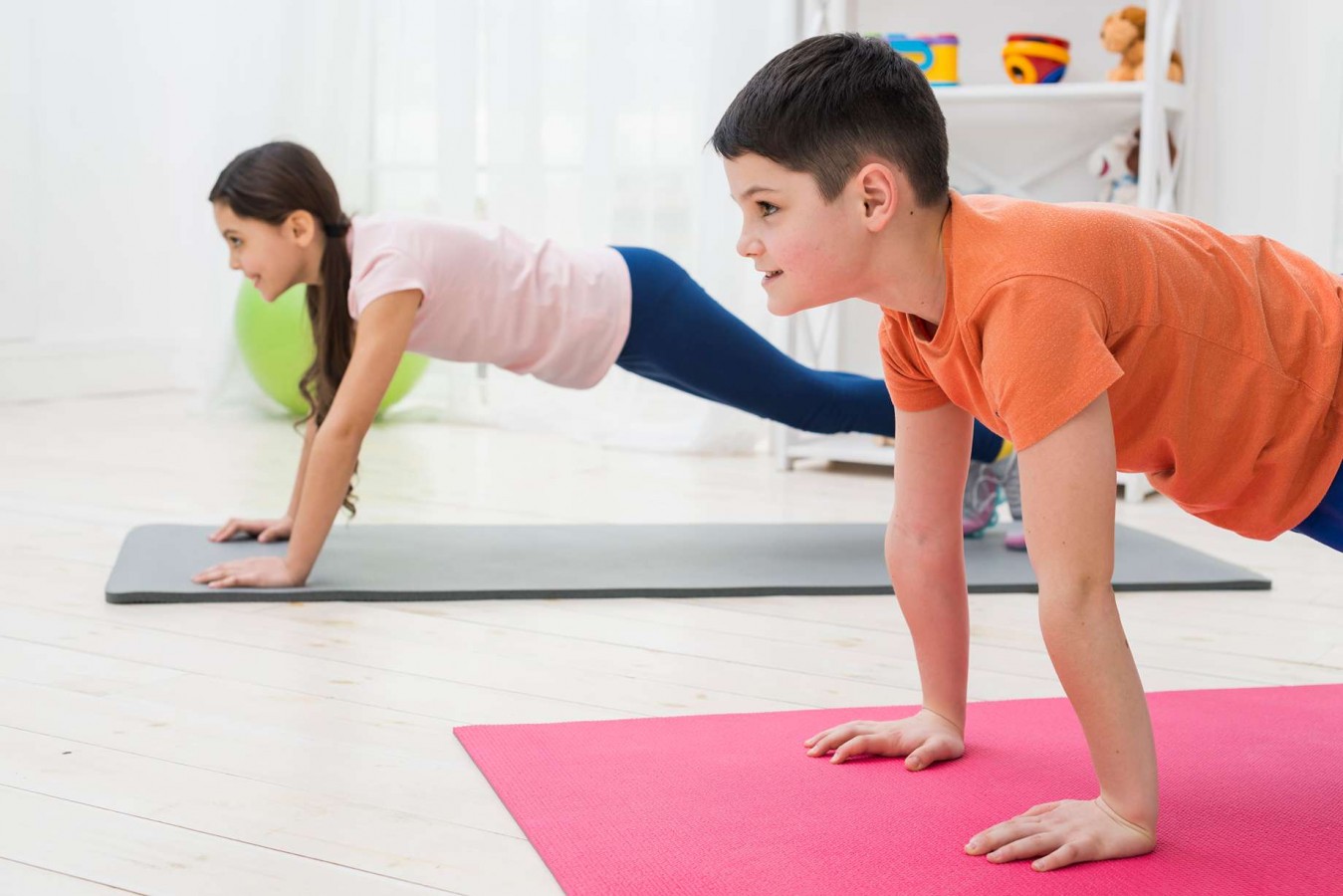
Staying active doesn’t have to be complicated or intimidating. When I first wanted to get healthier, I was overwhelmed by intense workouts and fancy gym equipment—but I quickly realized that simple, beginner-friendly activities could make a huge difference in my energy, mood, and overall health.
Even if you have a busy schedule or haven’t exercised in a while, starting small is the key. This guide will show you easy ways to keep your body moving, why it matters, and tips for making activity part of your daily routine.
Why Staying Active Matters
Regular physical activity provides numerous benefits, even at a beginner level:
-
Boosts energy and reduces fatigue
-
Supports heart and metabolic health
-
Strengthens muscles, bones, and joints
-
Reduces stress, anxiety, and improves mood
-
Improves flexibility, balance, and posture
The best part? You don’t need hours at the gym. Short, simple activities done consistently can transform your health over time.
1. Walking
Why it’s great for beginners: Walking is natural, low-impact, and can be done anywhere.
Tips to get started:
-
Start with 10–15 minutes a day and gradually increase to 30 minutes
-
Walk around your neighborhood, office, or even indoors
-
Take stairs instead of elevators whenever possible
Personal insight: I started with short walks during lunch breaks, and it became my favorite daily routine because it boosted my energy without feeling strenuous.
2. Stretching
Why it’s important: Stretching improves flexibility, reduces stiffness, and prevents injuries.
Beginner stretches include:
-
Neck and shoulder rolls
-
Seated spinal twists
-
Hip flexor stretches
-
Standing calf stretches
Tip: Stretch for 5–10 minutes in the morning, mid-day, or evening to keep muscles loose and improve circulation.
3. Bodyweight Exercises
Why it’s effective: No equipment is needed, and you can adjust intensity to your level.
Beginner-friendly moves:
-
Squats or chair squats
-
Wall push-ups or knee push-ups
-
Lunges or step-backs
-
Planks (start with 10–20 seconds)
Impact: These exercises strengthen muscles and support joint health while improving posture and balance.
4. Dancing
Why it’s fun: Dancing is a joyful way to move, burn calories, and lift your mood.
Ideas for beginners:
-
Follow simple online dance tutorials
-
Dance to your favorite music at home
-
Join beginner dance classes
Personal insight: I started dancing for just 10 minutes a day in my living room, and it quickly became my favorite way to stay active while having fun.
5. Light Resistance Training
Why it’s helpful: Strengthens muscles and bones, even with minimal equipment.
Beginner options:
-
Resistance bands
-
Light dumbbells (2–5 lbs)
-
Household items like water bottles for arm exercises
Tips: Start with 1–2 sets of 10–15 repetitions and focus on correct form.
6. Yoga or Pilates
Why it’s beginner-friendly: These practices improve flexibility, core strength, and mindfulness.
Tips for beginners:
-
Follow online beginner yoga or Pilates classes
-
Practice 10–20 minutes daily
-
Focus on breathing and gentle movements
Benefit: Helps reduce stress, improve posture, and enhance overall body awareness.
7. Active Household Tasks
Why it counts: Daily chores can be a form of physical activity.
Examples:
-
Vacuuming, sweeping, or mopping actively
-
Gardening or yard work
-
Carrying groceries with good posture
Insight: Treating household tasks as movement opportunities makes staying active feel natural.
8. Short Outdoor Activities
Why it works: Fresh air and sunlight add mental benefits to physical movement.
Ideas:
-
Casual biking or rollerblading
-
Short hikes or nature walks
-
Playing catch or frisbee with family
Tip: Even 10–20 minutes outdoors can lift mood and improve circulation.
9. Mini Workouts Throughout the Day
Why it’s effective: Short sessions accumulate into significant daily activity.
Ideas:
-
5–10 minute bodyweight circuit
-
Walking or stretching breaks every hour
-
Quick cardio bursts like marching in place or jumping jacks
Impact: Keeps energy levels up and prevents prolonged sitting from harming health.
10. Use Technology to Stay Motivated
Why it helps: Apps and devices make it easier to track progress and stay consistent.
Suggestions:
-
Step counters or fitness trackers
-
Workout apps with beginner-friendly routines
-
Reminders to stand, stretch, or walk
Tip: Tracking progress and celebrating small milestones keeps motivation high.
FAQs About Beginner Activity
1. How much movement should beginners aim for?
Start with 10–30 minutes daily and gradually increase. Even small amounts provide health benefits.
2. Do I need a gym or equipment?
No. Walking, stretching, bodyweight exercises, and household tasks are all effective.
3. Can short activities really make a difference?
Yes. Frequent light activity improves energy, circulation, and overall health.
4. How do I stay consistent as a beginner?
Start small, set reminders, make it fun, and integrate movement into daily routines.
5. Is it okay to feel sore as a beginner?
Mild soreness is normal, but avoid pain. Focus on gentle progression and proper form.
Conclusion: Keep Moving Every Day
Staying active doesn’t have to be complicated. By incorporating simple, beginner-friendly activities like:
-
Walking and light stretching
-
Bodyweight exercises and mini workouts
-
Yoga, dancing, or Pilates
-
Active household chores
-
Outdoor movement and social activities
…you can improve your energy, flexibility, and overall health without overwhelming your schedule.
The key is consistency, variety, and enjoyment. Start with small steps, build momentum, and gradually make movement a natural part of your day. Your body—and mind—will thank you.