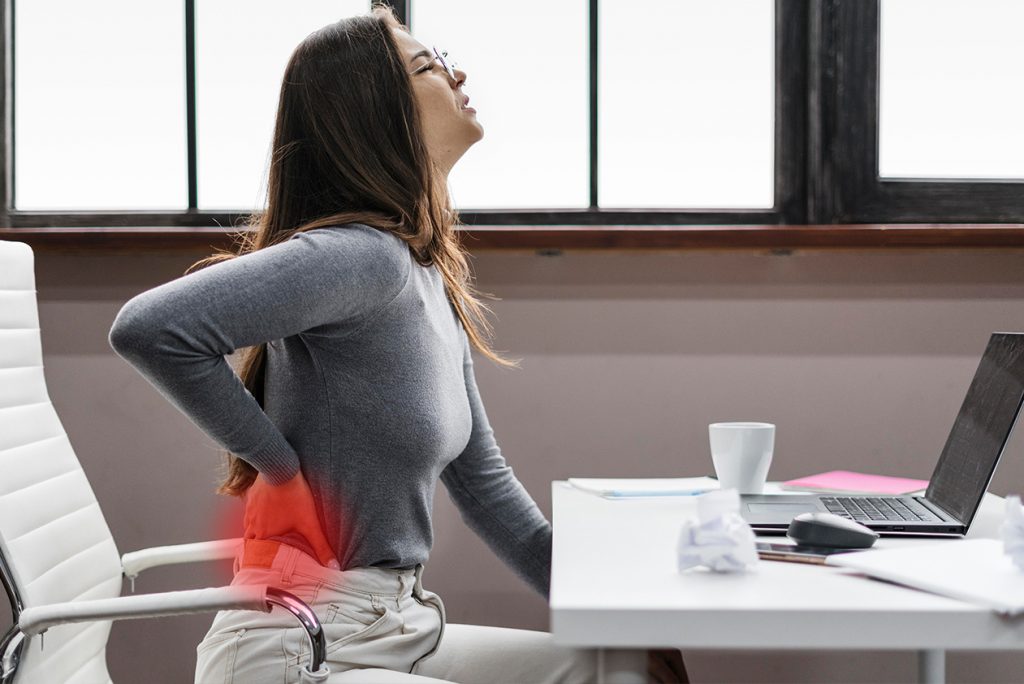
In today’s modern lifestyle, prolonged sitting has become almost unavoidable. Many of us spend hours at desks, in cars, or on couches, often without realizing the toll it takes on our health. I experienced the consequences firsthand—chronic back pain, stiffness, and low energy left me frustrated and searching for solutions.
Research now confirms that sitting for long periods is linked to serious health risks, including cardiovascular disease, obesity, diabetes, and even mental health issues. The good news is that with simple lifestyle adjustments and strategic movement, you can counteract these risks and protect your health.
In this guide, we’ll cover the major dangers of prolonged sitting, explain why they happen, and provide practical strategies to stay active and healthy.
Why Sitting Too Long Is a Health Concern
Humans are designed to move. Prolonged sitting:
-
Slows metabolism, reducing calorie burn
-
Reduces blood circulation, especially in the lower body
-
Increases pressure on the spine, neck, and hips
-
Contributes to poor posture and muscular imbalances
Even if you exercise regularly, sitting for extended periods can negate some benefits of physical activity. Researchers call this phenomenon “active couch potato syndrome”—where movement is insufficient to offset sedentary behavior.
Health Risks of Prolonged Sitting
1. Cardiovascular Disease
Sitting for hours can reduce blood flow and increase blood pressure, leading to higher risk of heart disease.
Mechanism:
-
Muscles are inactive, lowering circulation
-
Blood tends to pool in the legs, increasing clot risk
-
Insulin and lipid metabolism slow, promoting arterial plaque buildup
Evidence: Studies indicate that adults who sit more than 6–8 hours a day have a higher risk of heart disease and stroke, even if they exercise regularly.
Tip: Stand or walk for a few minutes every hour to improve circulation.
2. Obesity and Weight Gain
Extended sitting slows metabolism and reduces the number of calories burned, contributing to weight gain over time.
Mechanism:
-
Muscle inactivity lowers fat-burning capacity
-
Appetite-regulating hormones may become imbalanced
-
Energy expenditure declines, leading to excess calorie storage
Insight: Short activity breaks—like 5–10 minutes of walking—help maintain metabolism and reduce fat accumulation.
3. Type 2 Diabetes and Insulin Resistance
Sitting for long periods impacts glucose metabolism, increasing risk of insulin resistance and type 2 diabetes.
Mechanism:
-
Muscle inactivity reduces glucose uptake
-
Blood sugar remains elevated after meals
-
Insulin sensitivity decreases over time
Tip: Take a brief walk after meals to help regulate blood sugar levels.
4. Musculoskeletal Problems
Long hours of sitting strain muscles and joints, causing:
-
Lower back pain
-
Neck and shoulder tension
-
Hip tightness and reduced mobility
-
Poor posture and spinal misalignment
Personal experience: After long desk days, I experienced persistent stiffness and lower back pain until I added stretching and standing breaks to my routine.
Solutions: Incorporate stretches targeting the back, hips, and shoulders every 1–2 hours.
5. Mental Health Effects
Sitting for extended periods is linked to increased anxiety, stress, and depression.
Why:
-
Reduced physical activity lowers endorphin production
-
Poor posture can affect mood and energy
-
Isolation from prolonged sedentary activities may reduce social interaction
Tip: Short walks, stretching, or even standing during calls can boost mood and mental clarity.
6. Increased Risk of Certain Cancers
Studies show that sedentary behavior may increase risk for cancers such as colon, breast, and endometrial cancer.
Mechanism:
-
Reduced circulation and metabolic activity
-
Hormonal imbalances, including insulin and estrogen levels
-
Chronic inflammation in tissues
Tip: Combine regular movement with healthy nutrition to reduce overall risk.
7. Poor Posture and Spinal Health
Prolonged sitting, especially with poor ergonomics, can cause:
-
Rounded shoulders
-
Forward head posture
-
Compressed spinal discs
-
Chronic pain and stiffness
Tip: Use an ergonomic chair, adjust your monitor height, and maintain a neutral spine while sitting.
How to Avoid the Health Risks of Sitting Too Long
1. Take Frequent Movement Breaks
Stand, stretch, or walk for a few minutes every 30–60 minutes.
Examples:
-
Walk to refill water or coffee
-
Take a short hallway walk
-
Stretch arms, shoulders, neck, and lower back
Insight: Even 2–5 minutes every half hour significantly improves circulation and reduces stiffness.
2. Use a Standing or Adjustable Desk
A sit-stand desk allows you to alternate between sitting and standing, improving muscle activity and posture.
Tips:
-
Start with 20–30 minutes of standing per hour
-
Shift weight between legs or use an anti-fatigue mat
-
Avoid standing completely still—light movement is key
3. Incorporate Desk Exercises
Even without leaving your workstation, you can perform simple exercises:
-
Seated leg lifts or marches
-
Shoulder rolls and neck stretches
-
Seated spinal twists
-
Calf raises
Impact: These exercises maintain mobility and reduce musculoskeletal strain.
4. Walk After Meals
Taking short walks after meals helps:
-
Improve digestion
-
Regulate blood sugar
-
Boost metabolism
Tip: Even 10–15 minutes of walking after lunch or dinner provides benefits.
5. Use Technology for Reminders
Set phone alarms, smartwatch alerts, or apps to prompt movement every hour.
Benefit: Consistent reminders make it easier to break the sedentary cycle.
6. Practice Stretching and Mobility Routines
Daily stretching improves flexibility, posture, and reduces tension caused by sitting.
Key stretches:
-
Hip flexor stretch
-
Seated spinal twist
-
Chest opener
-
Neck and shoulder stretches
Tip: Perform a 5–10 minute routine in the morning, mid-day, and evening.
7. Combine Physical Activity With Daily Tasks
Increase overall movement by integrating activity into routine tasks:
-
Take stairs instead of elevators
-
Park further away from entrances
-
Walk during phone calls or meetings
Personal insight: I found that combining errands with walking added 30–40 minutes of daily activity without extra effort.
8. Stand or Walk During Breaks
Even short bursts of standing or walking counteract the negative effects of prolonged sitting.
Ideas:
-
Stand while reading or reviewing documents
-
Take walking breaks every 60 minutes
-
Use a treadmill desk if available
9. Prioritize Regular Exercise
Regular aerobic and strength training exercises complement movement throughout the day.
Examples:
-
Brisk walking, jogging, or cycling
-
Resistance training with bodyweight or weights
-
Yoga or Pilates for flexibility and posture
Tip: Exercise doesn’t replace frequent movement, but it enhances overall health.
10. Maintain Good Ergonomics
Proper workstation setup prevents strain and discomfort:
-
Chair with lumbar support
-
Monitor at eye level
-
Feet flat on the floor
-
Keyboard and mouse positioned comfortably
Impact: Ergonomic adjustments reduce musculoskeletal pain and promote better posture.
FAQs About Sitting and Health
1. How long is too long to sit continuously?
Aim to avoid sitting for more than 30–60 minutes at a time without standing or moving.
2. Can regular exercise fully offset prolonged sitting?
Exercise helps, but frequent movement breaks are still necessary to prevent sedentary-related risks.
3. What’s the best way to break up long sitting sessions?
Short walks, desk stretches, standing tasks, or walking meetings are effective.
4. Does standing all day replace sitting?
Standing helps, but alternating sitting and standing with light movement is more effective than prolonged standing.
5. Can small daily changes really reduce health risks?
Yes. Even brief, consistent movement throughout the day improves circulation, metabolism, and posture.
Conclusion: Combat the Dangers of Sitting
Sitting for extended periods is more harmful than most people realize. It impacts the heart, metabolism, muscles, bones, posture, and mental health. The key to counteracting these risks is consistent movement, proper ergonomics, and daily stretching.
Simple habits like:
-
Taking movement breaks every 30–60 minutes
-
Walking after meals
-
Using a sit-stand desk
-
Practicing desk stretches and mobility exercises
-
Incorporating small activity bursts into daily tasks
…can dramatically improve health and well-being.
Remember: small, consistent changes matter more than occasional intense exercise. By committing to regular movement, even amidst a busy schedule, you can protect your heart, muscles, and mind—and live healthier, more energized days.