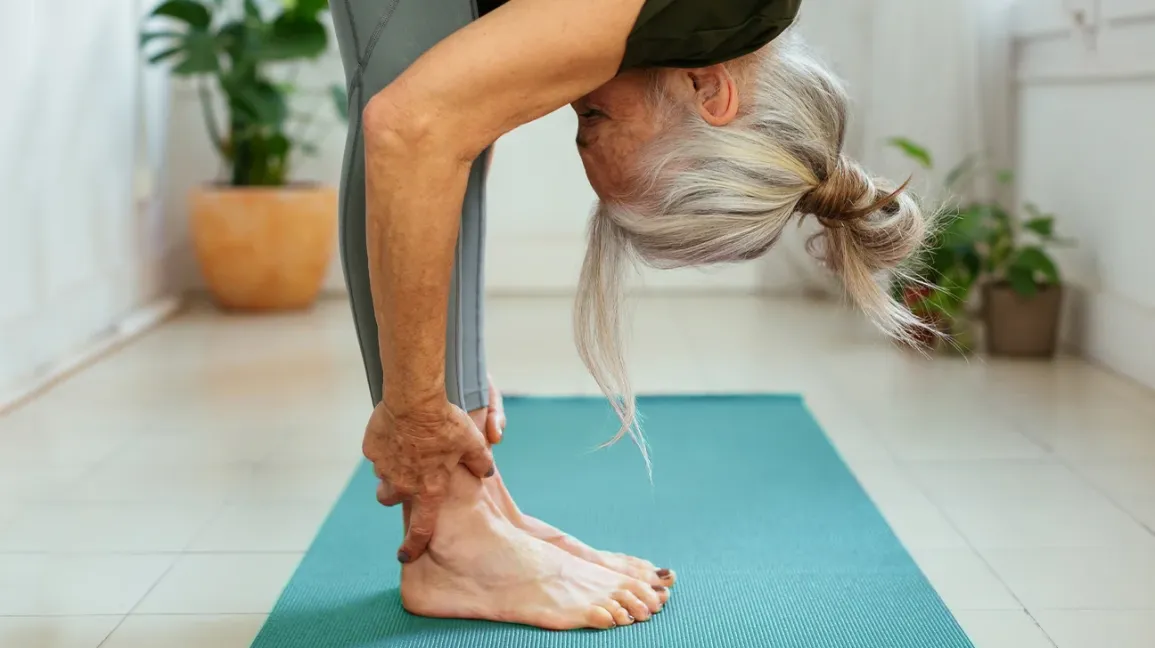
Sitting for long periods—whether at a desk, in meetings, or during commuting—can take a serious toll on your body. I used to experience tight shoulders, lower back pain, and stiffness in my hips after hours of sitting, until I discovered that simple stretching exercises could make a huge difference.
In this guide, I’ll share easy, beginner-friendly stretches for people who sit all day, how they help, and tips to integrate them into your daily routine. These stretches improve flexibility, reduce pain, and support long-term spinal and joint health.
Why Stretching Is Important for Desk Workers
Sitting for hours compresses muscles and joints, particularly in the:
-
Lower back – causing stiffness and discomfort
-
Hips – leading to reduced mobility
-
Shoulders and neck – contributing to tension and headaches
-
Legs – restricting circulation and increasing fatigue
Regular stretching helps:
-
Release muscle tension
-
Improve posture
-
Reduce the risk of repetitive strain injuries
-
Increase circulation and energy
Even a few minutes of stretching throughout the day can significantly reduce discomfort and improve well-being.
1. Neck Stretch
Why it helps: Relieves tension from long hours of looking at screens.
How to do it:
-
Sit or stand upright.
-
Slowly tilt your head toward your right shoulder until you feel a gentle stretch.
-
Hold for 15–20 seconds.
-
Repeat on the left side.
-
Optional: gently tilt forward and backward for extra relief.
Tip: Keep shoulders relaxed and avoid forcing your neck beyond a comfortable range.
2. Shoulder Rolls
Why it helps: Reduces stiffness from typing or leaning forward.
How to do it:
-
Sit or stand with a straight back.
-
Roll your shoulders slowly forward in a circular motion 10 times.
-
Reverse and roll them backward 10 times.
Impact: Loosens tight shoulder muscles and improves circulation.
3. Chest Opener Stretch
Why it helps: Counters forward-hunching posture from desk work.
How to do it:
-
Sit or stand tall.
-
Clasp your hands behind your back.
-
Straighten your arms and lift your chest slightly.
-
Hold for 20–30 seconds while breathing deeply.
Tip: Keep your chin parallel to the floor and avoid arching your lower back.
4. Seated Spinal Twist
Why it helps: Reduces lower back tension and improves spinal mobility.
How to do it:
-
Sit on your chair with feet flat on the floor.
-
Place your right hand on the back of the chair.
-
Twist your torso gently to the right, keeping hips square.
-
Hold for 15–20 seconds and repeat on the left side.
Tip: Move slowly and avoid forcing the twist.
5. Hip Flexor Stretch
Why it helps: Counteracts tight hips from prolonged sitting.
How to do it:
-
Stand and take a step back with your right foot.
-
Bend your left knee slightly and push your hips forward.
-
Hold for 20–30 seconds, keeping your back straight.
-
Switch sides.
Impact: Opens hip flexors, improves posture, and reduces lower back strain.
6. Seated Hamstring Stretch
Why it helps: Lengthens hamstrings that tighten from long periods of sitting.
How to do it:
-
Sit on the edge of your chair with one leg extended straight out.
-
Keep your heel on the floor and toes pointing up.
-
Lean forward gently from your hips until you feel a stretch in the back of your thigh.
-
Hold for 20 seconds and repeat on the other leg.
Tip: Keep your back straight and avoid bouncing.
7. Wrist and Forearm Stretch
Why it helps: Reduces discomfort from typing or using a mouse.
How to do it:
-
Extend your right arm in front of you, palm up.
-
Use your left hand to gently pull back on the fingers.
-
Hold for 15–20 seconds.
-
Switch hands.
Impact: Improves flexibility, circulation, and reduces repetitive strain risk.
8. Calf Stretch
Why it helps: Prevents stiffness in lower legs and improves circulation.
How to do it:
-
Stand facing a wall and place hands on it for support.
-
Step one leg back and press the heel into the floor.
-
Keep both legs straight and hold for 20–30 seconds.
-
Switch sides.
Tip: Slightly bend the back knee if needed to avoid discomfort.
Tips to Integrate Stretching Into Your Day
-
Set an alarm or reminder to stretch every 60–90 minutes.
-
Combine stretches with deep breathing to relax muscles and mind.
-
Keep stretches short but frequent—even 5 minutes can help.
-
Use standing or walking breaks along with stretches to reduce prolonged sitting.
-
Gradually increase duration or intensity as flexibility improves.
FAQs About Stretching for Desk Workers
1. How often should I stretch during the day?
Aim for short stretches every 60–90 minutes. Frequent movement is better than a single long session.
2. Do I need any equipment?
No. Most stretches can be done with just your chair or standing space. A yoga mat or strap is optional.
3. Can stretching prevent back pain from sitting?
Yes. Regular stretching strengthens and lengthens muscles, reducing stiffness and discomfort.
4. How long should each stretch be held?
Typically 15–30 seconds per stretch. Focus on gentle tension, not pain.
5. Can stretching improve posture?
Absolutely. Targeting tight hip flexors, chest, and back muscles helps maintain an upright posture.
Conclusion: Simple Habits for Desk Comfort
Sitting all day doesn’t have to mean stiffness, pain, or poor posture. Incorporating short, simple stretches throughout your day:
-
Relieves tension in the neck, shoulders, hips, and back
-
Improves circulation and energy
-
Enhances posture and flexibility
-
Reduces risk of long-term musculoskeletal issues
Start with 5–10 minutes of stretching a few times a day and gradually build a consistent routine. These small daily habits can transform your comfort, mobility, and overall well-being—making long hours of sitting far less harmful.