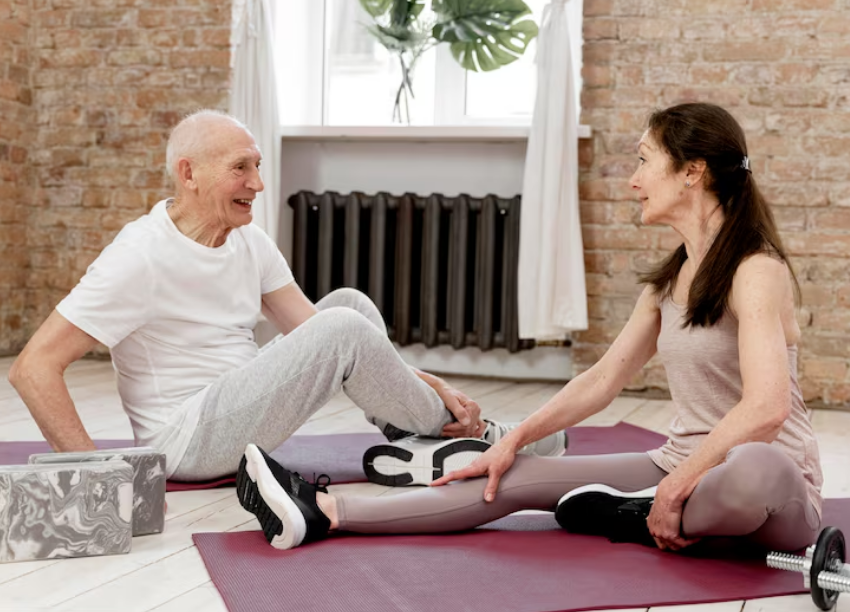
Maintaining physical autonomy is a cornerstone of long-term health and vitality. As the body traverses the aging process, the physiological systems responsible for stability—specifically the vestibular, visual, and proprioceptive systems—undergo natural changes that can affect daily movement. However, the decline of these systems is not an inevitable outcome of aging but rather a process that can be significantly mitigated through consistent, evidence-based physical activity.
Focusing on balance and mobility exercises is not merely about preventing falls; it is about reclaiming the freedom of movement required for essential activities, such as navigating stairs, maintaining posture while standing, or simply moving through the home with confidence. By understanding the mechanisms behind balance and implementing structured, regular movement, older adults can effectively preserve their independence and enhance their quality of life.
The Physiology of Balance: Understanding the Control System
Balance is not a singular skill but a complex, integrated function involving the brain, muscles, and sensory organs. To remain upright and stable, the body relies on a constant stream of information from three primary sources:
Related Posts
- The Ultimate Guide to Daily Low-Impact Home Exercises for Seniors: Preserving Mobility, Independence, and Vitality
- The Science of Thriving: Best Healthy Aging Habits for a Longer, Vibrant Life
- Navigating the Golden Years: Comprehensive Stress Management Techniques for Healthy Aging Adults
- The Ultimate Daily Wellness Routine for Healthy Aging: Science, Structure, and Vitality
- The Ultimate Guide to the Best Anti-Aging Foods for Healthy, Long-Term Living
- The Vestibular System: Located within the inner ear, this system detects head position and motion, providing the brain with critical data about spatial orientation.
- The Visual System: Vision allows the brain to map the environment, identifying hazards and providing a reference point for verticality and stability.
- Proprioception: This is the body’s ability to sense its position in space without relying on sight. It involves receptors in the joints, tendons, and muscles that signal to the brain exactly where limbs are located at any given moment.
As individuals age, these systems may experience a reduction in sensitivity or processing speed. Research published by Aging and Disease highlights how the cerebellum—the part of the brain responsible for coordination—integrates these sensory inputs to adjust muscle activity. When these inputs become delayed or less accurate, the body’s ability to make rapid postural adjustments decreases, which is why targeted exercise is essential. Such activity enhances neuromuscular control, essentially “sharpening” the body’s ability to interpret and act on sensory information.
Distinguishing Mobility from Balance
While often used interchangeably, mobility and balance are distinct but complementary components of physical health.
Mobility refers to the capacity to move freely, easily, and independently. It encompasses flexibility, range of motion in the joints, and the muscular strength required to transition between positions, such as moving from a seated position to standing. A lack of mobility often manifests as stiffness, difficulty rising from a chair, or an altered gait.
Balance, conversely, is the ability to maintain the body’s center of gravity over its base of support. It is the steadying force that prevents a loss of equilibrium during movement.
Improving both requires a multi-faceted approach. According to the National Institute on Aging, a comprehensive physical activity regimen should include endurance, strength, balance, and flexibility exercises. This holistic approach ensures that the body is not only stable (balance) but also capable of moving through that stability with control (mobility).
Targeted Exercises for Stability and Range of Motion
A safe and effective exercise program should progress from stable, controlled environments to more dynamic, functional movements. Always ensure the area is free of obstacles, and perform standing exercises near a sturdy surface, such as a countertop, for support.
1. Static Balance Exercises
Static balance involves maintaining a fixed posture. These exercises are foundational for training the body to hold its center of gravity.
- Single-Leg Stance: While holding onto a sturdy chair or counter, lift one foot off the ground. Aim to hold for 10–15 seconds, maintaining a tall posture. As balance improves, reduce the support provided by the hand.
- Heel-to-Toe Stand: Position one foot directly in front of the other, so the heel of the front foot touches the toes of the back foot. This narrows the base of support and forces the body to stabilize more actively.
2. Dynamic Balance Exercises
Dynamic balance involves moving the body while maintaining equilibrium, which mimics real-world scenarios like walking on uneven surfaces or turning quickly.
- Heel-to-Toe Walk: Often referred to as “tandem walking,” this involves placing one foot directly in front of the other in a straight line. Focus on looking ahead rather than at the feet.
- Weight Shifting: Stand with feet hip-width apart. Shift weight slowly to the right leg, holding for a few seconds, then slowly transition to the left. This trains the body to control the center of mass during movement.
3. Mobility-Focused Stretching
Flexibility in the ankles, hips, and spine is vital for efficient movement.
- Ankle Rotations: While seated or standing, lift one foot and rotate the ankle in slow circles. This improves range of motion and helps maintain the flexibility needed for a stable gait.
- Hip Flexor Stretches: Tight hips can limit stride length. Gentle stretches that target the front of the hip can facilitate a more natural walking pattern.
Comparison of Balance Exercise Types
| Feature | Static Balance Exercises | Dynamic Balance Exercises |
| Primary Goal | Maintaining stability in a fixed position. | Maintaining equilibrium during movement. |
| Focus | Postural alignment and core engagement. | Weight transfer and center-of-gravity control. |
| Difficulty | Generally lower; a starting point. | Higher; mimics real-world activity. |
| Application | Standing while waiting, reaching for items. | Walking, turning, navigating obstacles. |
The Role of Evidence-Based Practice
The Centers for Disease Control and Prevention (CDC) emphasizes the importance of a “screen, assess, and intervene” framework through its STEADI (Stopping Elderly Accidents, Deaths & Injuries) initiative. This approach reinforces that balance is not a fixed attribute; it can be improved through targeted clinical and community interventions.
Furthermore, practices like Tai Chi have emerged as a powerful tool in geriatric health. Research from the American Journal of Lifestyle Medicine indicates that Tai Chi’s slow, continuous movements are highly effective at improving balance and proprioception. By emphasizing controlled displacement of body mass and postural orientation, Tai Chi trains the body to remain stable even when the center of gravity is in motion.
Safety and Consistency: Keys to Long-Term Success
Physical activity for older adults requires a balance between challenge and caution. The following best practices support safe progress:
- Incremental Progression: Start with shorter sessions, such as 10 minutes of activity, and gradually increase duration and intensity as strength and confidence improve. Consistency is more important than intensity.
- Environmental Awareness: Ensure the environment is conducive to exercise. Use supportive, well-fitting footwear and clear flooring. For those interested in professional guidance, the American Physical Therapy Association recommends consulting with a physical therapist who can conduct a functional assessment and create a personalized plan.
- Focus on Function: Link exercises to daily goals. Whether the goal is to play with grandchildren, garden, or simply walk through the home without fear, identifying these motivators—as suggested by the National Council on Aging—can significantly improve adherence to an exercise program.
- Listen to the Body: Distinguish between the expected fatigue of muscle work and sharp pain. Exercise should be challenging but never painful. If sharp discomfort occurs, stop the activity and consult a healthcare professional.
The Importance of Strength Training
Balance and mobility do not exist in a vacuum; they rely heavily on muscular strength. As noted by the Mayo Clinic, strength training—also known as resistance training—is crucial for maintaining muscle mass and bone density. Stronger leg and core muscles provide the “power” needed to stabilize the body during a trip or an unexpected stumble. Using light resistance bands or body weight (e.g., sit-to-stand exercises) twice a week can make a profound difference in a person’s physical resilience.
Frequently Asked Questions
How long does it take to see improvements in balance?
Consistent practice is the primary factor. Many individuals notice improvements in postural control and confidence within a few weeks of regular, daily practice. However, significant structural improvements in neuromuscular coordination often become more pronounced after 3 to 6 months of sustained activity.
Is it safe to exercise if there is a history of falls?
It is often necessary, but it should be approached with professional guidance. A physical therapist can provide a safe, structured environment to identify specific deficits and minimize risk. Never start an intense program without first ensuring that the exercises are appropriate for individual physical capabilities.
Can balance exercises be done at home?
Yes. Most fundamental balance and mobility exercises require minimal equipment. Simple movements like standing on one leg while brushing teeth or shifting weight while waiting for water to boil are excellent ways to integrate balance training into daily routines.
What is the difference between aerobic exercise and balance training?
Aerobic exercise, such as walking or swimming, focuses on cardiovascular health and endurance. Balance training focuses specifically on the neuromuscular systems that keep the body stable. Both are essential components of a healthy lifestyle for older adults and should be combined for optimal results.
Does age-related vision loss affect balance?
Yes. Because vision is one of the three main systems (along with vestibular and proprioceptive) that inform the brain about the body’s position, changes in vision can significantly impact balance. Maintaining regular eye exams and utilizing well-lit exercise environments can help mitigate the reliance on visual cues.
Conclusion
The preservation of mobility and balance is an active, ongoing process that pays dividends in daily independence. By acknowledging the physiological changes of aging and proactively engaging in targeted exercises, older adults can maintain the physical foundation necessary for a vibrant life. Whether through the slow, meditative movements of Tai Chi, structured strength training, or simple daily balance drills, every effort to move the body is a step toward greater stability.
Embracing these practices—supported by authoritative resources and a commitment to consistency—transforms the aging experience from one of inevitable decline to one of managed, successful physical maintenance. The journey to improved balance is accessible, effective, and deeply beneficial, ensuring that movement remains a source of freedom rather than a source of concern. As with any wellness endeavor, the most important step is simply the first one: establishing a routine that fits personal goals, respects individual limits, and supports long-term health.